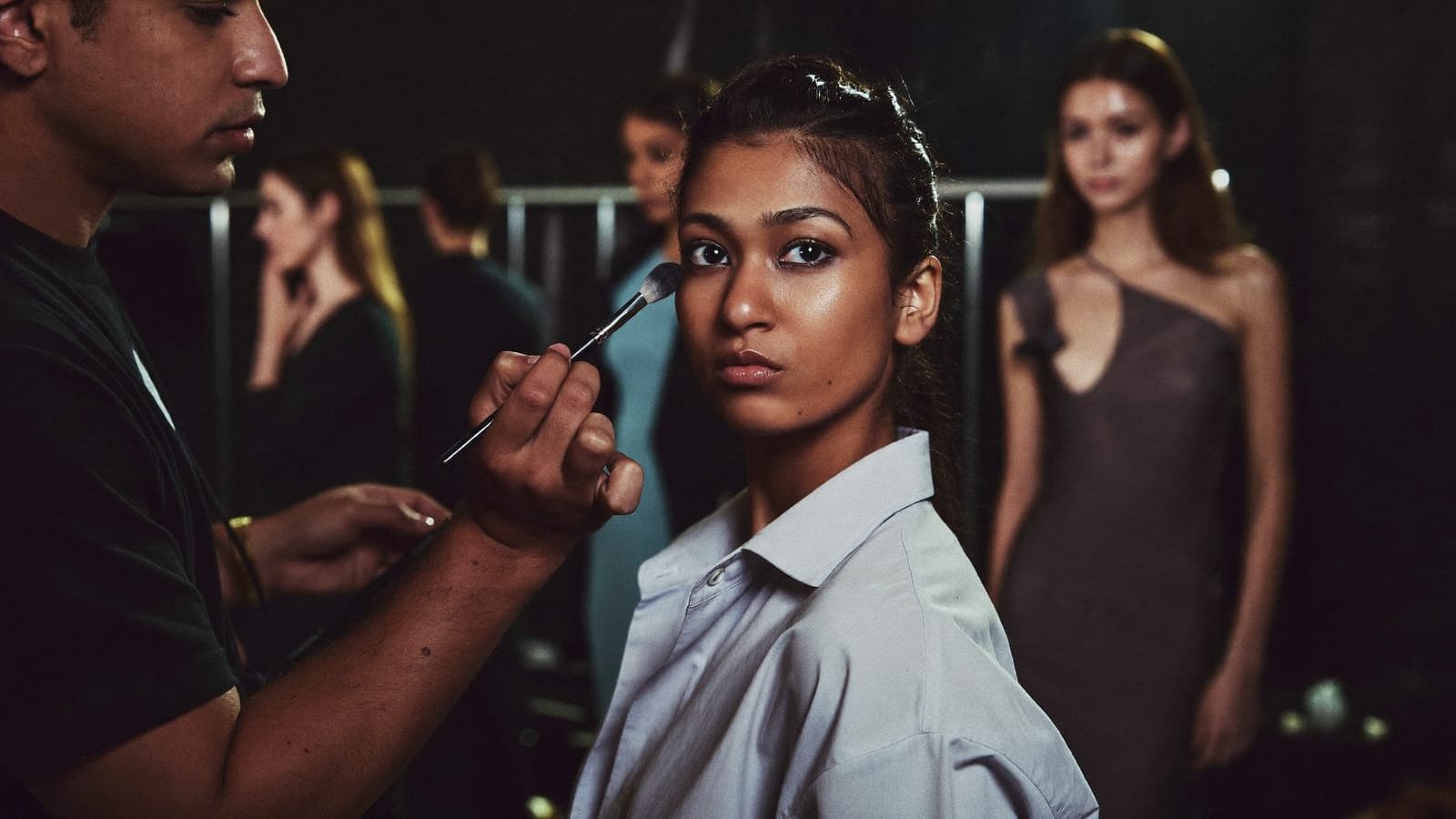
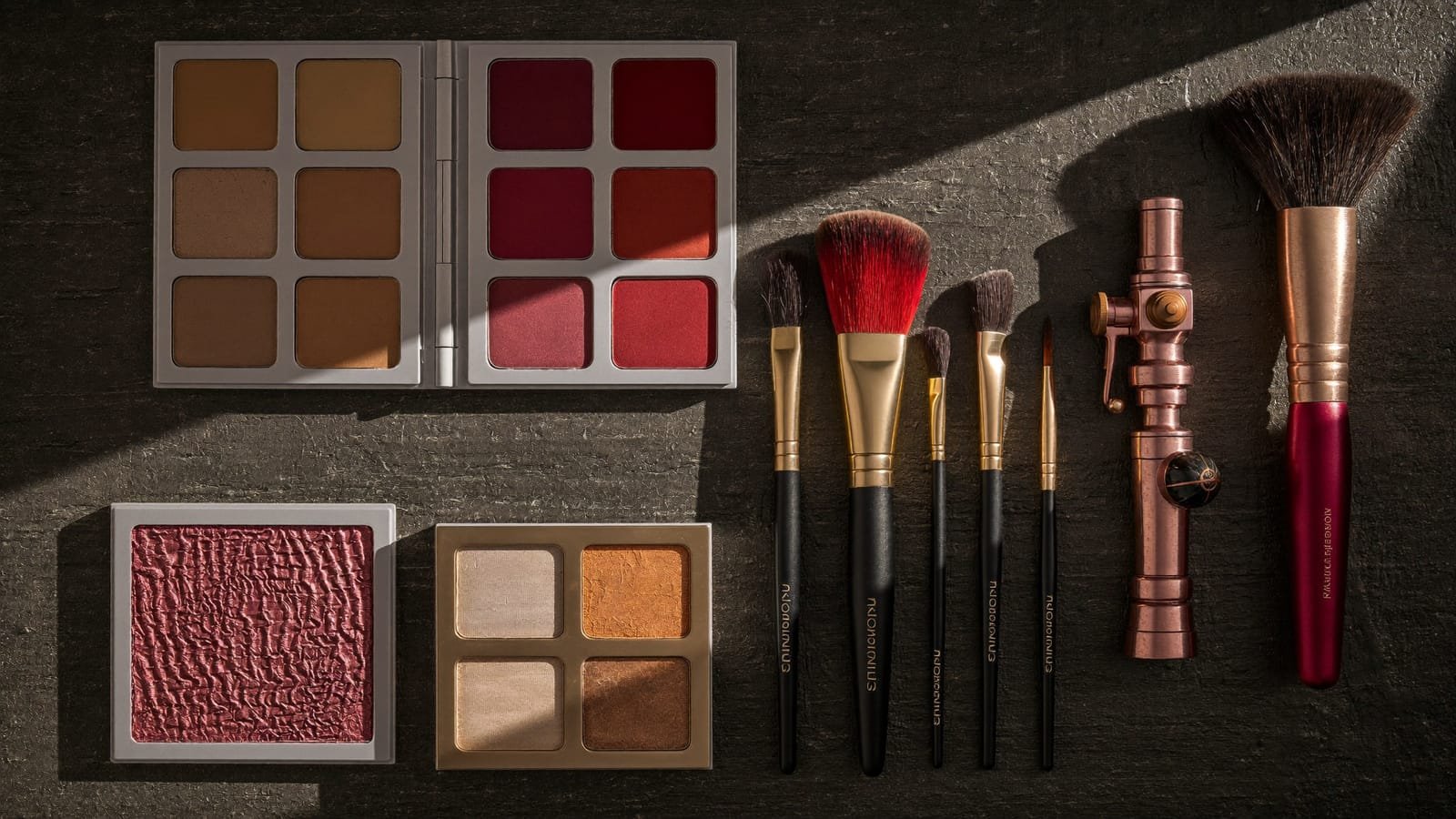
Kit envy is real. Watch a senior artist unzip a trolley of depotted palettes and labelled bottles, and the instinct is to go home and buy everything. Resist it. A professional kit is not a collection — it's an edit. Every product in a working bag has to justify its weight, its shelf life and its price on a paying face. Here is how to build one that works as hard as you do.
Build the base wardrobe first
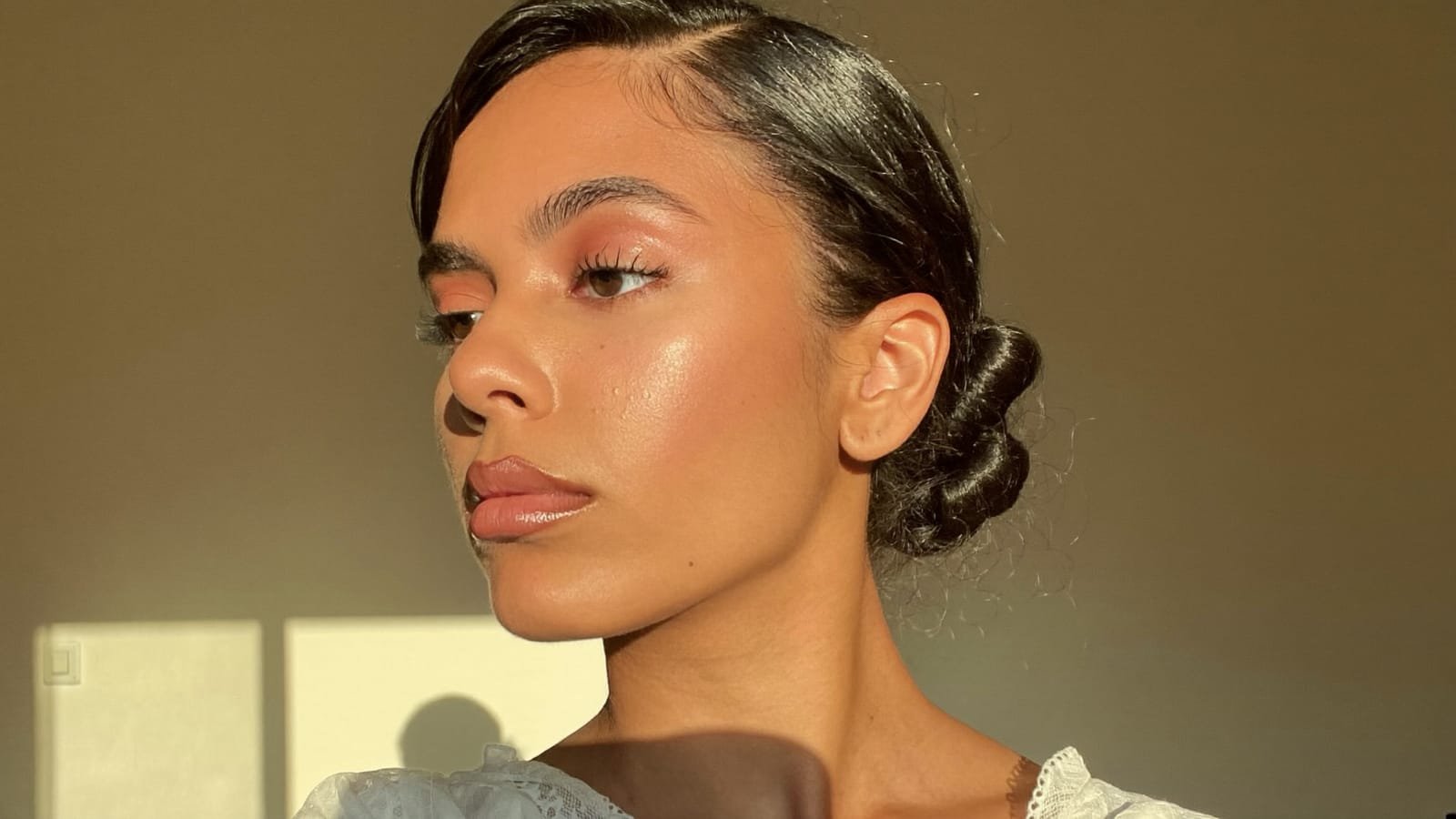
Skin is where a kit wins or loses. Indian skin runs an enormous range — not just from fair to deep, but across olive, golden, neutral and red undertones, often on the same face. You don't need fifty foundations; you need a deliberate wardrobe of shades you can mix, stretch and adjust. Undertone is the skill; the bottles are just the raw material.
- Eight to twelve foundation shades chosen to mix across the full undertone spectrum — not twelve versions of beige.
- Adjusters: red, yellow, olive and white mixers that turn a near-match into an exact one.
- Two concealer formulas — one that corrects, one that lifts — in a small range of depths.
- A translucent setting powder and one with warmth, because flashback reads coldest on deep skin.
- Cream products before powder ones: cream blush and bronzer flex across more skin types than their powder twins.
Hygiene is the kit
Sanitation isn't a side pouch — it's the foundation of your reputation. Seventy-percent alcohol for sanitising, a steel palette and spatula so product never meets skin straight from the pan, disposable mascara wands and lip applicators, and a brush-cleaning routine you never skip between faces. Clients watch. The ones who notice a clean workflow are the ones who refer you to their entire family.
Nothing in your bag is more expensive than a client who watched you double-dip.
Brushes: fewer, better, cleaner
Forty brushes look impressive on a roll and slow you down on a job. Most working artists run on a dozen workhorses: two for base, one for concealer, a powder brush, two blush-and-sculpt shapes, and a tight family of eye brushes — flat packer, fluffy blender, pencil, smudger, liner. Buy the best you can afford in those shapes, wash them like they're rent-paying tenants, and replace them rarely.
Buy in layers, not in hauls
The smartest kits are built in order of what touches every face: skin prep and base first, then brushes, then lips, then eyes, then the specialty drawer — glitters, foils, lashes in every style you'll realistically use. Depot what you can, label everything, and audit the bag every few months: if a product hasn't touched a client since the last audit, it goes. Weight matters when you're carrying your studio up three flights of banquet-hall stairs.
A kit is never finished — it evolves with your clients and your craft. But built in the right order, it does the one thing that matters: it lets you say yes to any face that sits in your chair.