For a decade, the bridal chair had one setting: full-coverage matte base, carved cut crease, contour you could see from the mandap. That face — flattened by filters, repeated across a thousand feeds — has quietly left the room. The 2026 bride wants something harder to fake: her own face, on its best day, engineered to last fourteen hours of ceremony, tears and Delhi humidity.
Skin that reads as skin
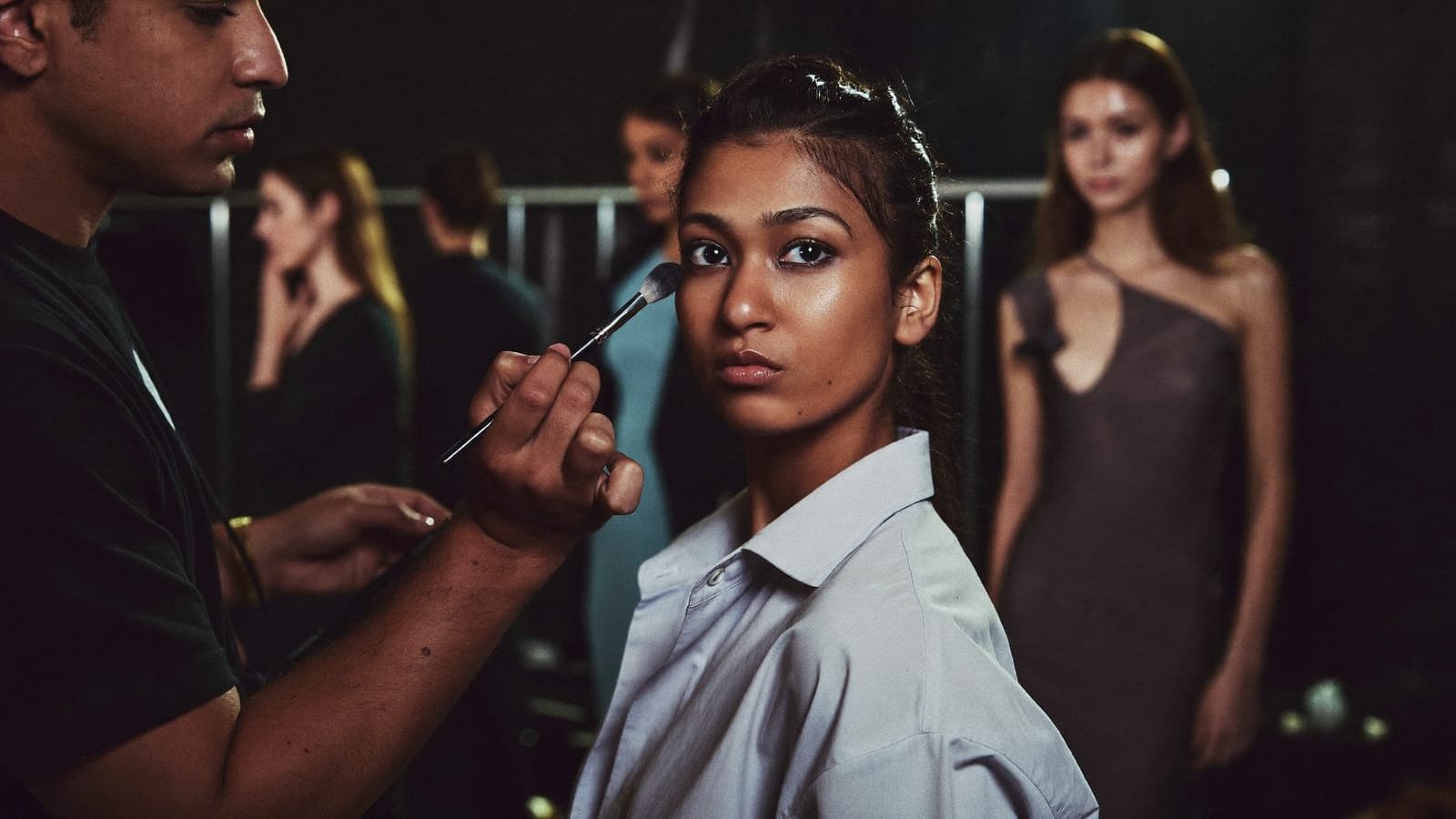
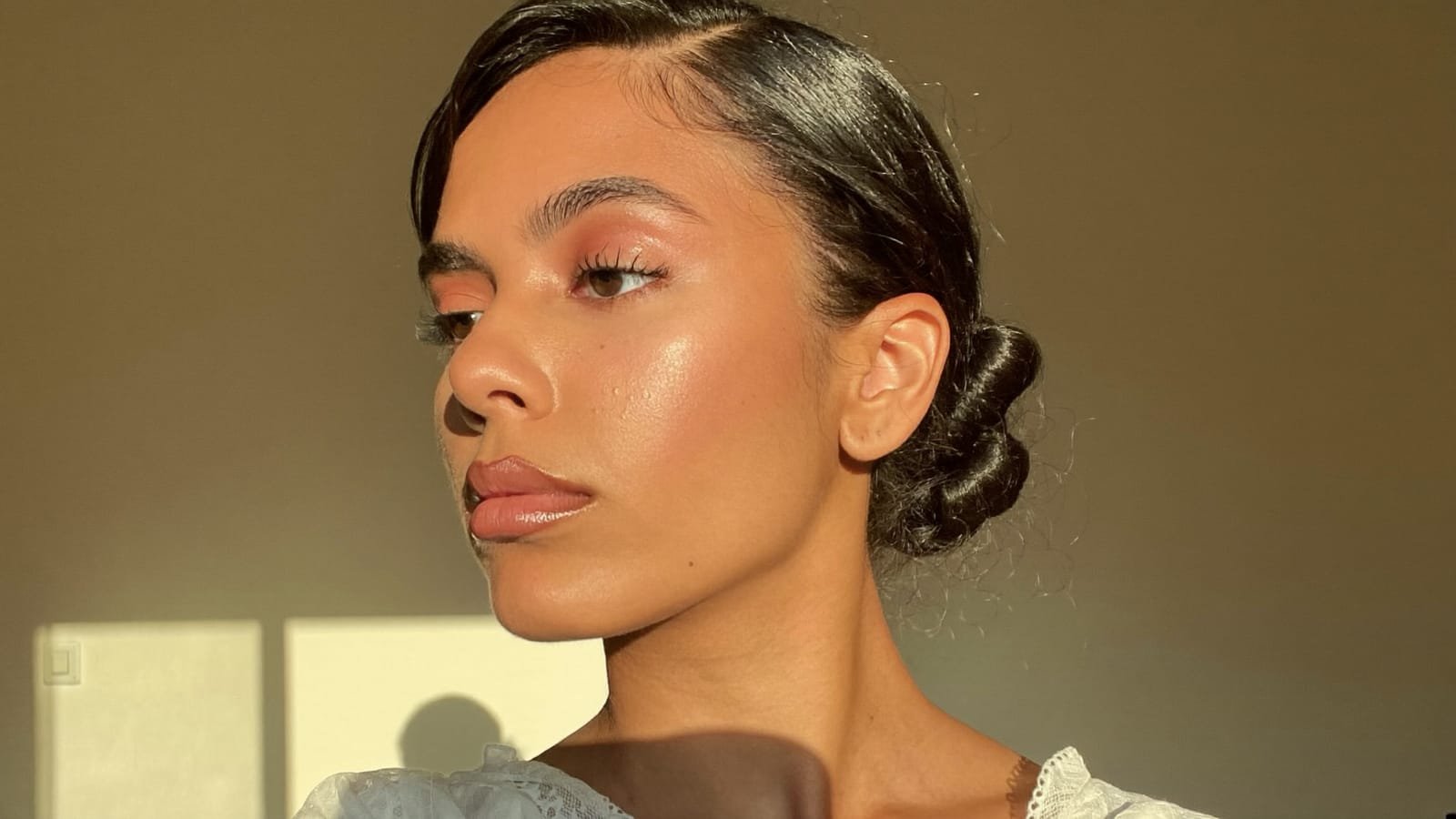
The biggest shift is at the base. Brides are asking for luminous, breathable skin — thin, buildable layers pinned in place with targeted concealing rather than a single heavy mask. Under harsh wedding lighting and phone flashes, thick matte bases photograph grey and tired; a well-prepped, skin-first base photographs like health. The trade-off is discipline: skincare starts weeks out, not the morning of, and the artist's prep routine — hydration, targeted priming, patient layering — becomes half the artistry.
Colour comes back to the lip
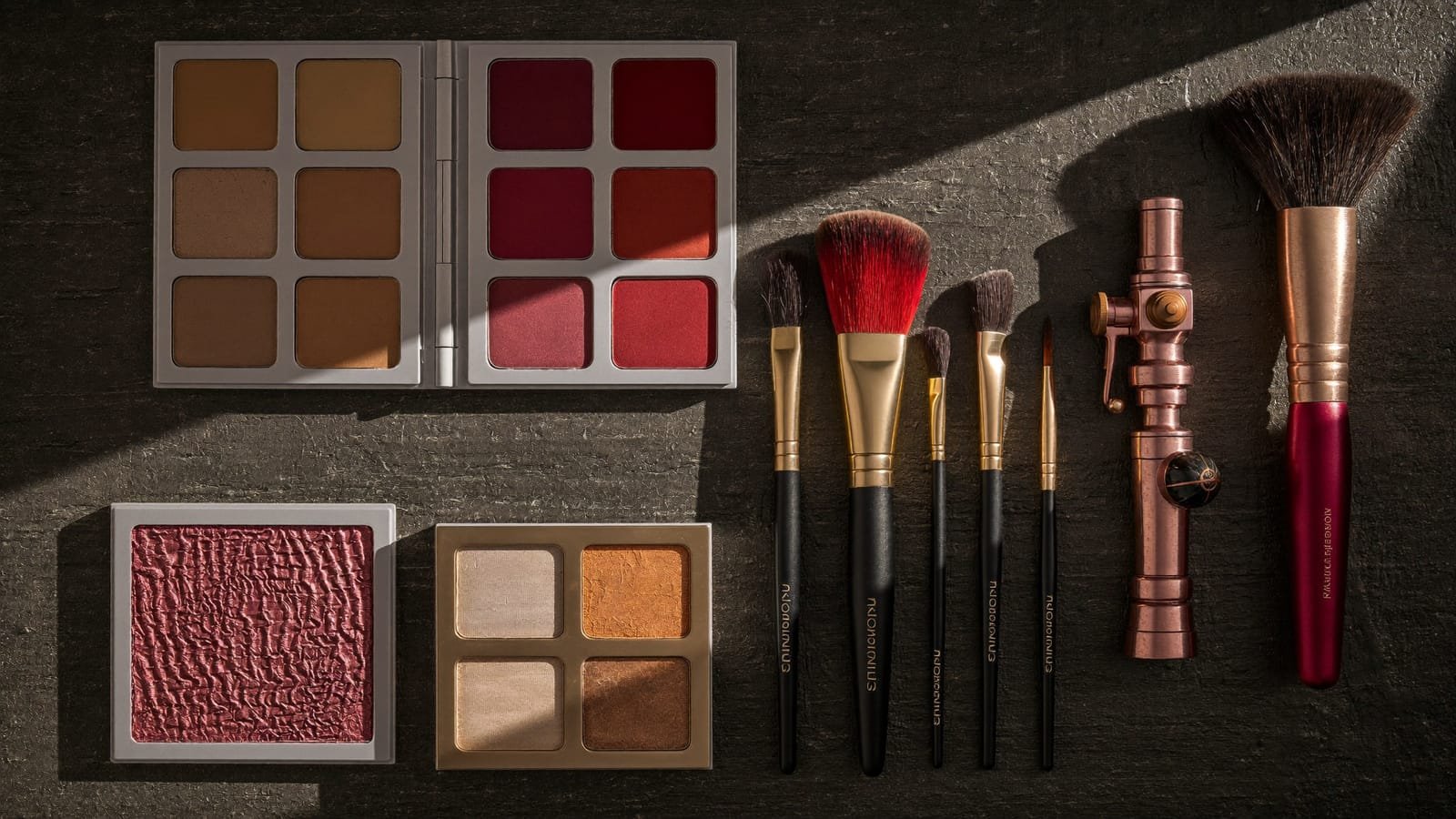
After years of obedient nudes, colour has returned with intent. Brown-toned reds, brick, terracotta and deep rani pink are leading bridal palettes — shades with enough pigment to anchor heavy jewellery but enough warmth to flatter Indian skin in daylight. The finish is blurred and long-wear rather than glossy: a lip that survives the pheras without a mirror check.
A bride should look like herself with the volume turned up — not like a stranger who borrowed her jewellery.
The details doing the quiet work
- Blurred, lifted flush — cream blush swept from cheek to temple, replacing hard-edged contour.
- A fleck of gold at the inner corner instead of a full glitter lid; shimmer as punctuation, not paragraph.
- Individual lash clusters feathered outward for weightless drama — the strip lash is on notice.
- Brushed-up, softly filled brows that move like brows, not stencils.
- Setting mists and micro-touch-ups planned between rituals, treated as part of the look, not an afterthought.
Regional is the new luxury
The most confident 2026 brides are reaching backward, not sideways — sindoor reds, temple gold, a Bengali chandan pattern, a Maharashtrian nath worn with makeup built around it rather than in spite of it. Regional codes worn deliberately read as heritage, not costume, and they photograph unlike anything on a global trend board. For artists, that means research is now part of the consultation: know the ritual before you design the face.
For working artists, the message underneath every trend is the same: range beats formula. The 2026 bridal chair rewards artists who understand undertones across the full spectrum of Indian skin, who can build longevity into a light hand, and who design for the woman in the chair — not for the algorithm watching over her shoulder.